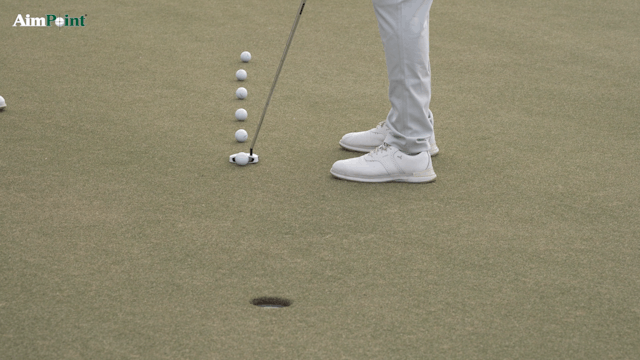
AimPoint University-Adjustments for Uphill and Downhill
AimPoint Complete Video Series
•
8m 3s
In this video we dive into the key adjustments needed for uphill and downhill putts. You'll learn how the slope affects both the break and speed of the ball—and why time is a critical factor. Downhill putts require the ball to take longer to reach the hole, demanding a softer touch and more precise read. On uphill putts, the ball is struck harder, meaning it gets to the hole faster, affecting how much it breaks.
We also explore how these insights can shape your on-course strategy, helping you leave your ball in better positions for more makeable putts.
Plus, we cover how to adjust your arm bend when reading putts to better account for slope changes. Understanding these nuances can take your green reading and putting consistency to the next level.
Up Next in AimPoint Complete Video Series
-
AimPoint University-Break Charts
While traditional AimPoint break tables were once a valuable training tool, they came with inherent limitations that made them impractical in real-world playing conditions. This realization led to the development and widespread adoption of the AimPoint Express Read—a faster, more intuitive method...
-
AimPoint University-Ignore the First ...
The team do a deep dive into a common misconception in green reading: the idea that the slope in the first third of a putt should influence your read. We explain why this simply isn’t the case—and why relying on early slope can actually lead to misreads, confusion, and inconsistency on the greens...
-
AimPoint University-Vector Putting
Many golfers have been told to determine break by hitting a putt straight at the hole and observing how it moves, but this method can lead to significant errors. The main issue is that the angle at which the ball moves across the green affects how much side tilt it experiences, which in turn infl...